


Rinse the mouth gently with water and place a cold compress outside the lip if swelling appears. Do not let the child chew with the damaged tooth.
Find the broken piece and store it in milk or saliva. A dentist may be able to reuse it. Contact a pediatric emergency dentist promptly for strong pain, bleeding from the tooth, swelling, looseness, or a changed bite.
The American Academy of Pediatric Dentistry’s emergency guidance treats painful breaks and injuries that cut nearby tissue as urgent concerns.
A chipped baby tooth and a chipped adult tooth may need different care.
A tiny baby-tooth chip may only need smoothing when it is painless and does not affect eating. For a bonding chipped tooth toddler case, the dentist also considers age and cooperation. An infant dentistry visit helps parents compare bonding with careful monitoring.
An adult tooth must last for many years. A broken front tooth kid may need bonding to restore shape and comfortable biting. The dentist may use pediatric digital X-rays when the surface does not show the full injury.
The dentist checks the tooth, gums, and bite, then cleans the tooth and selects a matching shade.
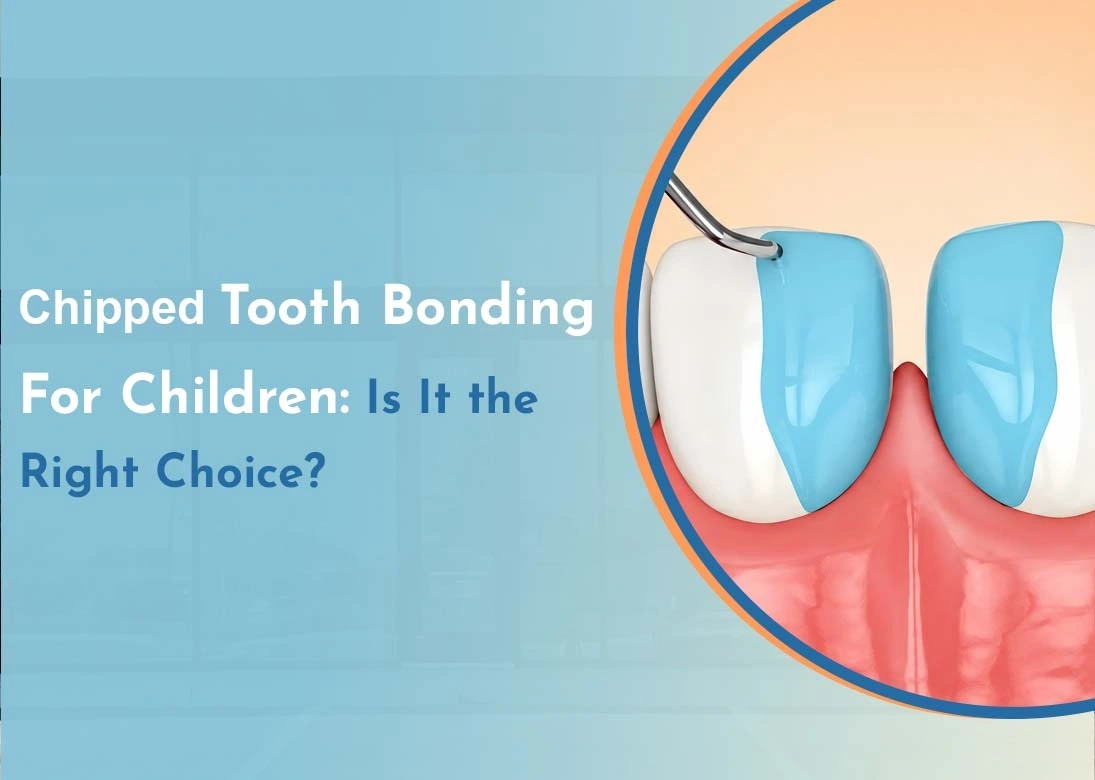
The tooth-colored material is placed in small layers, shaped to replace the missing corner, hardened with a special light, and polished. The dentist finishes by checking that the repaired edge does not hit too heavily during biting.
Many simple repairs can be completed in one appointment. If a child is worried or has difficulty staying still, the dentist can discuss age-appropriate comfort options.
Bonding keeps most of the natural tooth because only the missing area is rebuilt. It can match the tooth’s color and shape, which matters for a visible front tooth.
The repair can often be reshaped or replaced as a child grows, making it a practical child chipped tooth repair option. Dr. Danny also explains whether grinding, biting habits, or sports could place the repair at risk.
Bonding is useful, but it is not as strong as the original tooth. It may chip when a child bites ice, hard candy, pencils, toys, or fingernails.
The material may also wear or change color. Large breaks, weak tooth structure, and heavy bite pressure can reduce its lifespan. Regular dental checkups help the dentist find rough edges or small changes before the repair breaks further.
The right repair depends on the chip’s size, location, and depth.
A tiny rough edge may only need gentle smoothing, with no added material.
The dentist may reuse the original piece when it is found and fits correctly. Never glue it at home.
Bonding often suits a small or medium chip when the remaining front tooth is stable.
A tooth-colored filling may help when the damaged area also contains a weak spot or small hole.
A badly broken or weak tooth may need a pediatric dental crown for fuller coverage. Damage reaching deep inside may need another treatment before the outer shape is rebuilt.
Cut apples, carrots, and other firm foods into smaller pieces instead of letting the child bite them with the repaired front tooth.
Stop chewing ice, pens, toys, or fingernails. Children who play contact sports may benefit from a custom sports guard. Continue gentle brushing and attend follow-up visits.
Call the dentist if the bonding becomes rough, loose, or chipped, or if the child develops pain, swelling, a gum bump, trouble eating, or a changed bite.
A tooth that becomes gray or darker after a fall also needs a check, even without pain. Delayed color changes are a common parent concern after minor-looking chips.
Bonding is often a sensible choice for a small or medium front-tooth chip, but it is not right for every break. Save any tooth piece, protect the area, and arrange an examination. Dr. Danny can explain whether smoothing, bonding, reattachment, a filling, or a stronger repair best fits the tooth.
Glow Pediatric Dentistry provides calm, child-focused care for chipped and broken teeth. The team checks the injury, explains repair choices in simple language, and helps parents plan follow-up care. Children receive support suited to their age, comfort, tooth type, and damage, helping each visit feel clear, calm, and manageable throughout.
A toddler may receive bonding when the chip is suitable and the child can stay comfortable. Tiny baby-tooth chips may only need smoothing or monitoring, so the dentist should compare the benefit with the chance of the repair breaking.
Simple tooth bonding is usually comfortable because the dentist rebuilds the missing outer area. If the chip reaches deeper, the tooth is very sensitive, or the child struggles to sit still, the visit may need added comfort planning.
Bonding may last for years, but no fixed lifespan applies to every child. The chip’s size, tooth position, bite pressure, grinding, hard-food habits, sports injuries, and daily care affect when repair or replacement is needed.
Yes. A bonded front tooth can chip after another fall or from biting hard objects. A small break can often be repaired without replacing all the bonding, but the dentist should first check the tooth and the child’s bite.
No. A tiny, painless chip may only need smoothing and follow-up checks. Bonding is more useful when the edge is sharp, the tooth is sensitive, the missing area is noticeable, or the shape affects normal biting.